
It’s easy to picture the scene: a bright Monday morning, fresh bulletin board displays, and a carefully prepared literacy rotation board ready to launch. A teacher stands confidently by a table of color-coded folders, with student instructions neatly stacked, and a bold “Literacy Centers” sign displayed prominently in front. But within minutes, one student asks if they can just read instead, another can’t find their group, and one station turns into a casual chat circle. That day becomes a quick reminder that setting up literacy centers takes more than good intentions and attractive labels; it takes planning, practice, and purpose.

Upper elementary teachers often want their literacy centers to promote independence, reinforce reading skills, and encourage meaningful engagement. But how can they get started without the chaos? Here’s a practical guide to setting up literacy centers that work for grades 3–5.
Before jumping into materials and schedules, it’s essential to consider the overall goal of the centers. Setting up literacy centers should start with the question: What skills do students need to practice?
In upper elementary classrooms, students are beyond the basics. They’re exploring main idea, character traits, text structure, and vocabulary in more profound ways. Each center should have a focused academic purpose aligned to those goals. Whether it’s comprehension practice, vocabulary building, fluency, or guided reading, having a clear intention makes the centers more effective and easier to manage.
When setting up literacy centers, fewer can often mean better. Teachers don’t need to create six new stations every week. Instead, having three to four well-structured centers allows students to dive deeper into each task.
A simple and effective rotation might include:
These stations can be rotated throughout the week, rather than all on one day, allowing for greater flexibility and fewer transition issues.
A common challenge in setting up literacy centers is coming up with new activities every week. Instead, students benefit from routine and structure. Keeping the format of each center consistent, while updating the content, helps students focus on learning rather than directions.
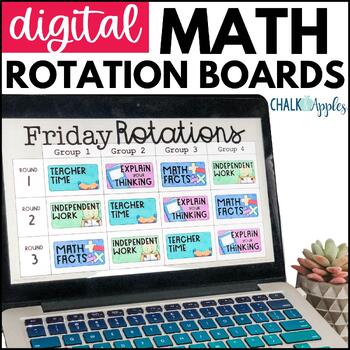
For example, a writing center might always include a weekly response prompt, sentence starters, and a rubric. Even when the topic changes, students know what to expect. Adding visual directions, center signs, and a clear rotation chart will make the system even easier for students to follow independently.
One of the most essential parts of setting up literacy centers is teaching students how to use them. Teachers should take the time to model, role-play, and practice procedures before expecting students to work independently.
This includes showing how to transition, handling materials, solving problems without interrupting the teacher, and staying on task. Practicing one center at a time over a few days builds confidence and prevents disruptions later on.
Literacy centers become even more impactful when they’re based on student needs. Teachers should consider recent assessment data when planning center content. Are students struggling with the main idea? Inference? Summarizing? Centers can be tailored with targeted resources to reinforce those skills.
Grouping students strategically, whether by reading level, interest, or skill, ensures that each group receives support tailored to their needs. Setting up literacy centers with student data in mind turns routine tasks into meaningful practice.
Even in upper elementary grades, structure and accountability help centers run smoothly. Teachers can use timers, group checklists, rubrics, and early finisher bins to keep students engaged and on track.
Simple tools, such as student self-reflection sheets, peer feedback forms, or response logs, also add a layer of ownership and reduce the need for constant teacher redirection. These systems support independence and create a positive learning routine.
To keep centers fresh without overwhelming planning time, teachers can rotate materials every few weeks. Using seasonal themes, cross-curricular texts, or engaging fiction can spark interest without changing the overall structure of the center.
For those looking to save time, printable literacy center resources help you set up centers for the entire year. If you only want to print, check these out! These ready-to-use tools are invaluable when setting up literacy centers during busy weeks or mid-year refreshes.
These ready-to-use literacy center resources include:

Setting up literacy centers in upper elementary classrooms takes time, patience, and a lot of thoughtful planning, but the results are worth it. When done well, centers foster student independence, strengthen literacy skills, and create a classroom full of engaged readers and writers.
Teachers who invest the time to establish strong literacy routines are doing important and meaningful work. Even on the tough days, it’s clear that their effort is shaping confident learners. Here’s a reminder to every teacher reading this: you’re doing a fantastic job. Keep showing up, keep trying new things, and trust that your work matters more than you know.
For more classroom tips, check out these posts:
10 End-of-Year Classroom Games to Keep Upper Elementary Students Excited to Learn
Engaging Upper Elementary Students with Math Games Worksheets
Using Anchor Chart Text Features to Strengthen Student Understanding